The Art of Layering: How to Make Any Room Feel Designer-Approved
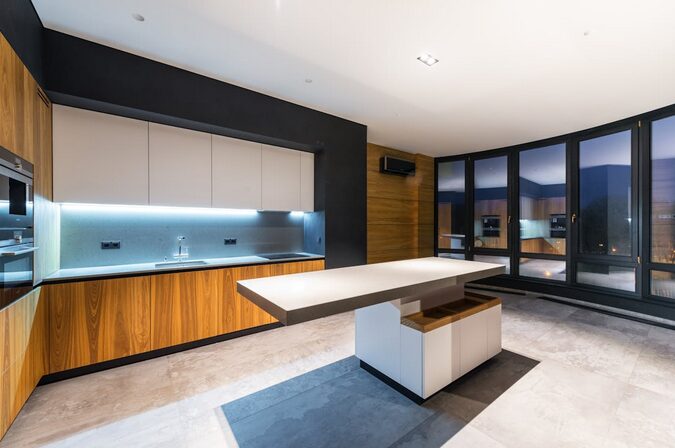
Some rooms just feel right the moment you walk in. They’re warm, intentional, and visually interesting without trying too hard. That effect usually isn’t about expensive furniture or a full renovation; it’s about layering. Interior designers use layering to build depth, personality, and balance in a space so it feels complete rather than flat or unfinished. The good news is that you don’t need to be a professional to do it. Once you understand the basics, layering becomes a simple way to upgrade any room, no matter your budget or style.
Why Layering Matters in Interior Design
Layering is what turns a basic room into a space that feels lived-in and thoughtfully designed. Without it, rooms can feel a bit like a showroom, clean but lacking warmth. Layering adds dimension by combining different elements such as textures, lighting, colors, and objects in a way that feels natural. It creates visual interest, guiding the eye around the room rather than letting everything blend into a single flat picture. Essentially, layering is what makes a space feel “finished.”
Start With a Strong Base

Every well-layered room starts with a solid foundation. This usually means your largest visual elements, like flooring, wall color, and rugs. Think of this as the backdrop that everything else builds on. Neutral tones often work well here because they allow flexibility, but even bold colors can work if balanced properly. A rug, for example, can anchor your furniture and define the space, especially in open-plan homes. When your base is strong, everything layered on top feels more intentional.
Mixing Textures for Depth
One of the easiest ways to create a designer look is by mixing textures. This is where a room starts to feel rich and multidimensional. Imagine pairing a soft linen sofa with a chunky knit throw, a sleek wooden coffee table, and a woven basket. Each texture interacts differently with light and touch, making the space more engaging. Without texture variation, even beautiful furniture can feel flat. The goal isn’t to overcomplicate things, but to create contrast that feels natural and inviting.
Playing With Lighting Layers
Lighting is often overlooked, but it’s one of the most powerful layering tools. Instead of depending on just one overhead light, designers create a more balanced effect by using several light sources placed at different heights throughout the room. This might include ceiling lighting, table lamps, floor lamps, and even accent lighting like LED strips or wall sconces. Each type of lighting serves a different purpose and changes the mood of the room. Warm, layered lighting creates depth and makes a space feel cozy rather than harsh or one-dimensional.
Furniture Arrangement and Visual Balance
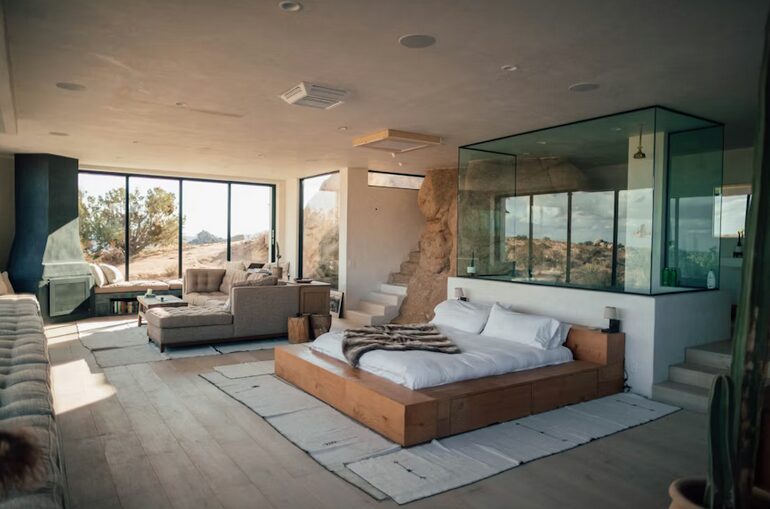
How you arrange furniture plays a huge role in how layered a room feels. Instead of pushing everything against the walls, try creating zones or focal points. A sofa paired with a rug and coffee table forms a natural conversation area, while a reading chair with a lamp creates a cozy corner. The idea is to balance large and small pieces so the room doesn’t feel heavy on one side. Negative space is also important—it gives the eye room to rest and prevents cluttered visuals.
Adding Personality With Decor Accents
This is where your space really starts to feel like yours. Decor accents like artwork, books, plants, candles, and personal objects add character and storytelling to a room. Layering here means not placing things randomly but grouping them in a thoughtful way. A stack of books topped with a small sculpture or a vase with fresh greenery can instantly elevate a surface. These finishing touches are what transform a well-furnished room into a space that feels curated and lived-in.
Common Mistakes to Avoid
While layering is flexible, there are a few pitfalls to watch out for. Overcrowding is one of the biggest mistakes; too many items can make a room feel chaotic instead of styled. Another issue is sticking to only one texture or tone, which can flatten the visual experience. It’s also easy to forget scale; mixing oversized furniture with tiny decor pieces can feel unbalanced. The key is restraint and intention, making sure every layer has a purpose.
Layering is less about following strict design rules and more about creating harmony through thoughtful combinations. When you build a strong base, mix textures, layer lighting, arrange furniture with intention, and add personal touches, any room can start to feel like it was designed by a professional. The beauty of this approach is that it grows with you—you can keep adjusting and refining until your space truly feels like home.…