DIY AC Duct Cleaning Checklist for Homeowners
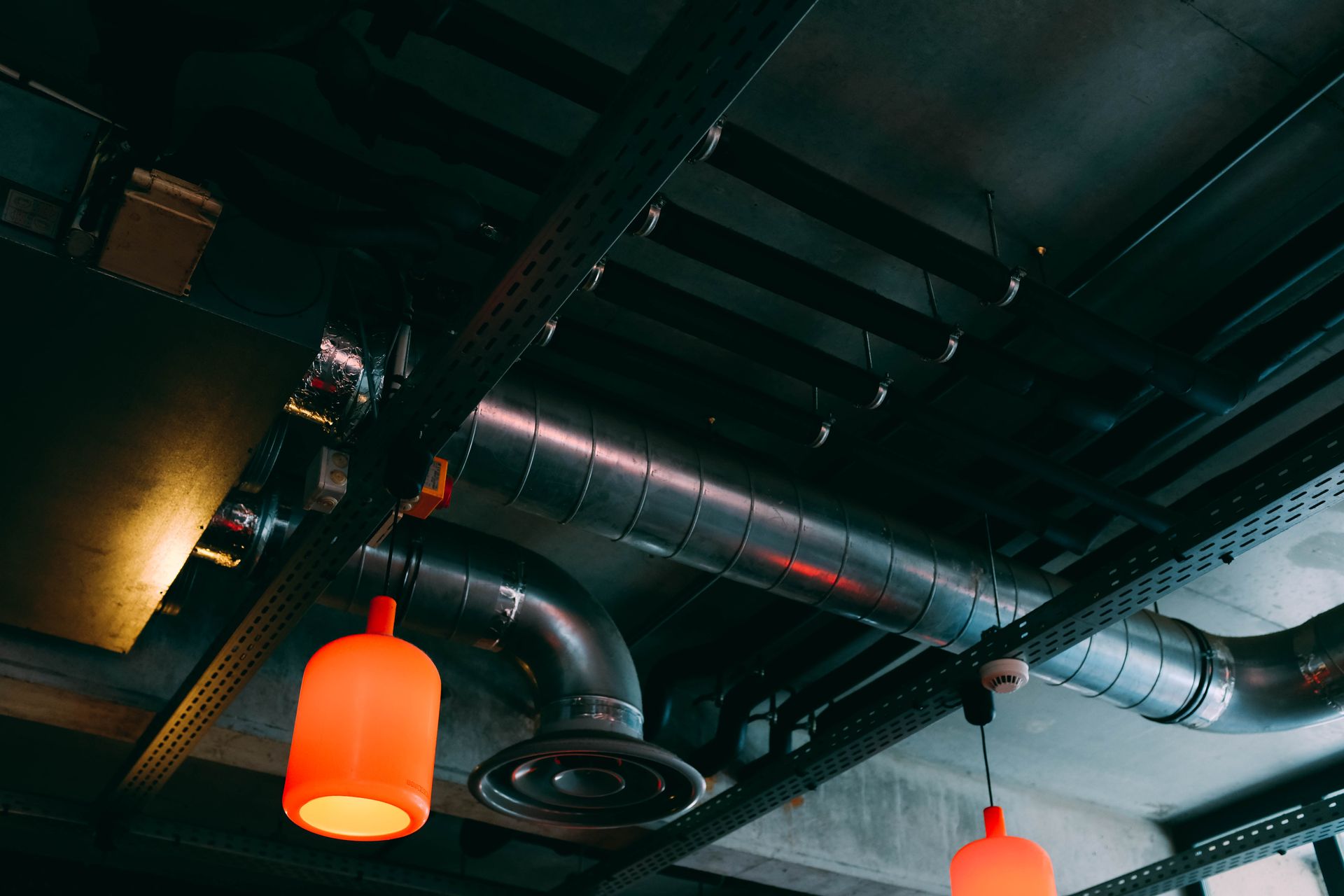
Your AC might be cooling the room while quietly collecting dust inside its ductwork. Air Duct Cleaning Equipment can help you understand what is actually needed for a proper cleaning job. The good news is that homeowners can handle several basic maintenance tasks without turning the house upside down.
Start With the Vents
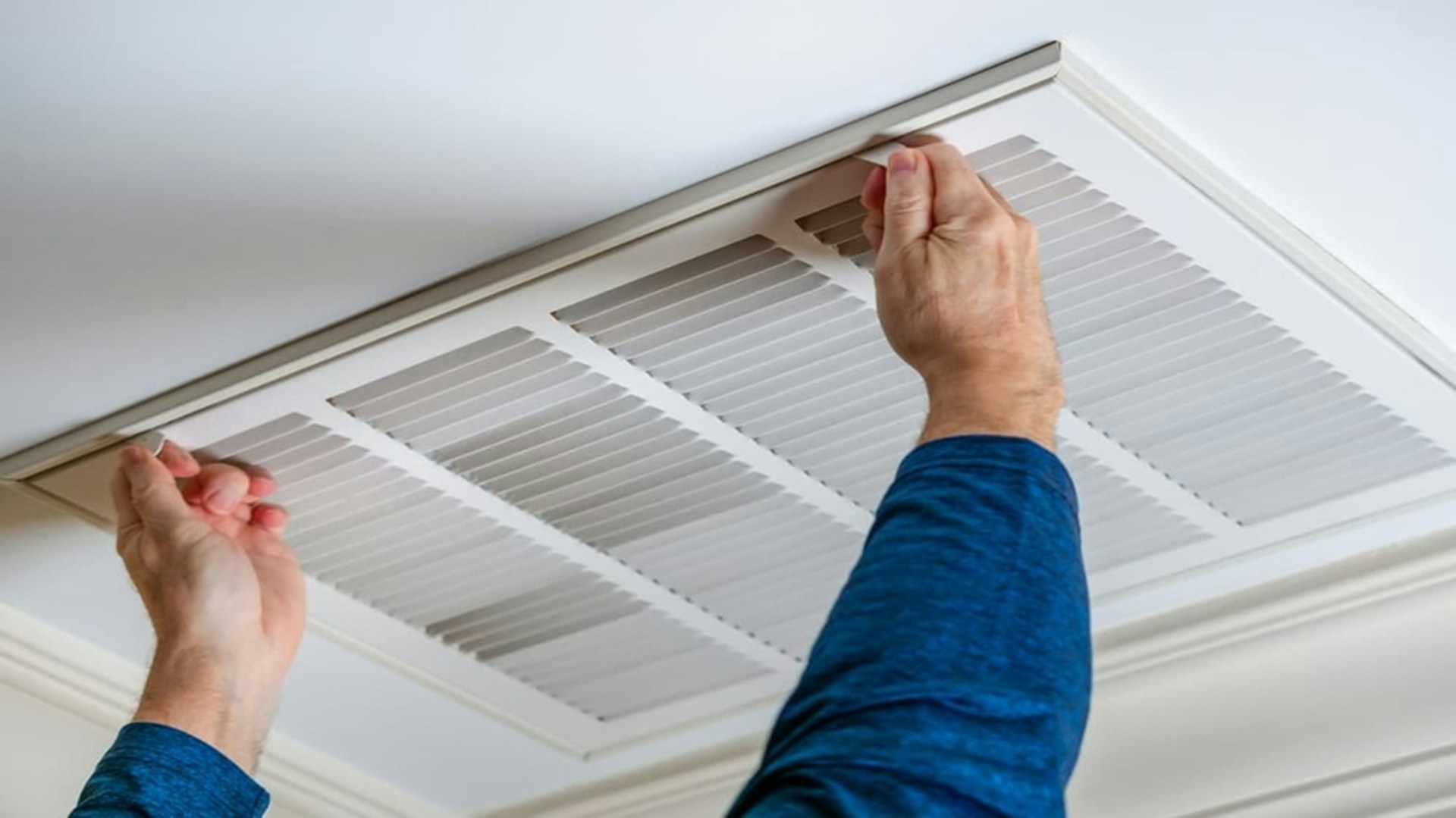
Switch off the AC before touching the vents. Remove the supply registers and return grilles carefully, then wash or vacuum away visible dust. A soft brush works well around narrow edges and corners. Let washable pieces dry completely before putting them back. Next, look inside the accessible section of each opening. You are checking for heavy dust, debris, moisture, pests, or anything that looks suspicious. Do not poke deep into the duct with a random household object. That can damage the duct or push debris farther inside.
Check Your Air Filter
The filter is one of the easiest parts of your AC system to inspect. A clogged filter can restrict airflow and make the system work harder. Remove it and check for a thick layer of dust. If it looks filthy, replace it according to the filter manufacturer’s instructions. Filter replacement is separate from duct cleaning, but it belongs on the same homeowner checklist. A clean filter catches airborne particles before they circulate through the system. Check it regularly, especially if your home has pets or frequent dust. Your AC will appreciate the small favor.
Vacuum Accessible Dust
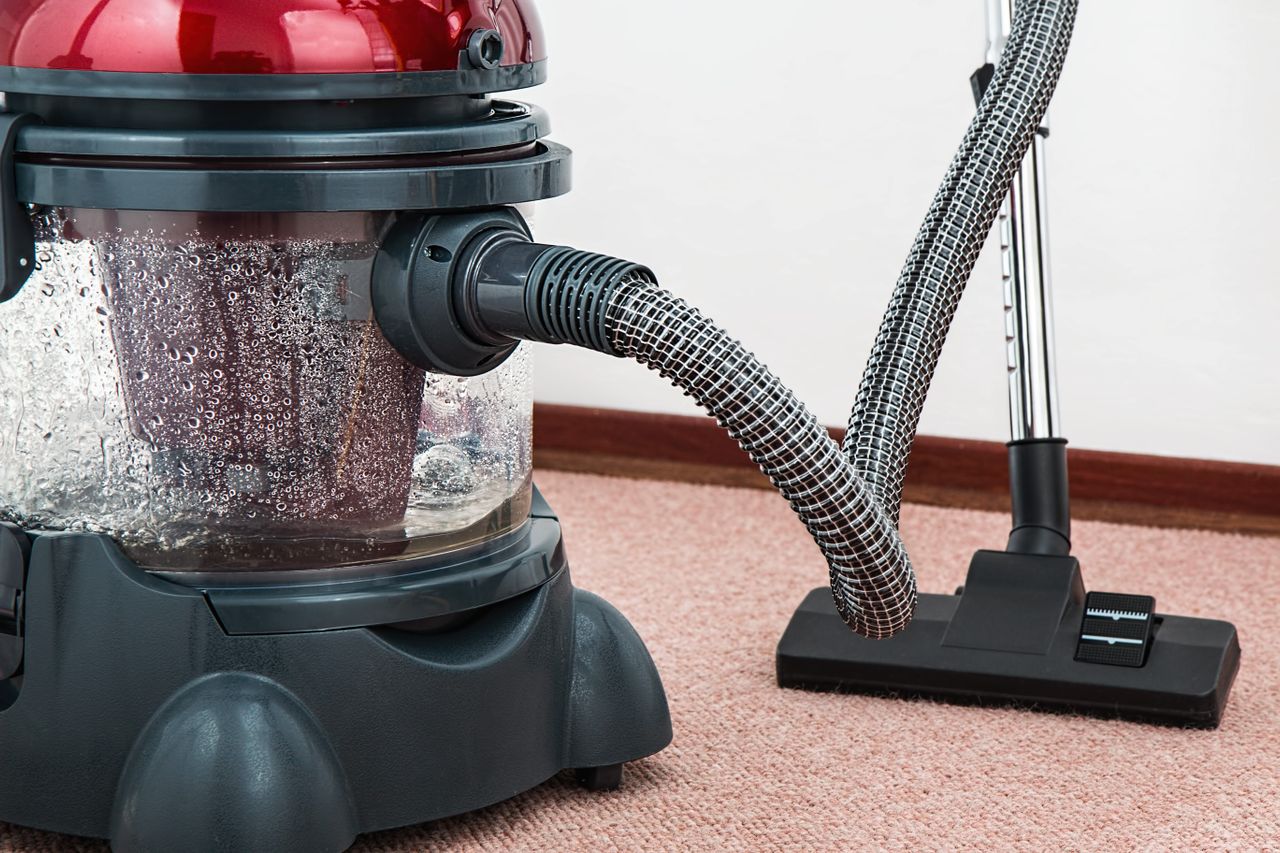
A vacuum can remove loose dust around registers, grilles, and reachable duct surfaces. Use a hose attachment rather than forcing the vacuum deep into the duct. You want to collect debris, not play accidental demolition expert. Keep the work gentle and controlled. Pay attention to the area around return vents because they can collect plenty of household dust. Wipe the surrounding surface with a slightly damp cloth after vacuuming. Do not soak duct components or introduce moisture into the ductwork. Damp conditions can create a much bigger headache.
Know What to Leave Alone
DIY maintenance has limits. If you see extensive mold, standing water, rodent activity, damaged insulation, or heavy contamination deep inside the system, stop there. Those problems may require professional inspection and cleaning. Trying to become an HVAC superhero can make the situation worse. Older homes deserve extra caution, too. Some building materials can contain substances that should not be disturbed without proper assessment. Never cut into ductwork simply because you cannot reach something. If the job requires opening sealed sections or accessing difficult equipment, call a qualified professional.
Finish With a System Check
Once the vents and filter are back in place, restore power and run the AC normally. Listen for unusual rattling, whistling, or grinding sounds. Check the airflow from several registers and pay attention to unusual odors. Something that suddenly sounds like a tiny helicopter deserves investigation. Keep a simple maintenance record so you know what was cleaned and when. If dust returns quickly or airflow remains weak, the problem may be deeper than the accessible areas. A professional can assess the full system and determine if further cleaning is warranted. Sometimes the smartest DIY move is knowing exactly when to put the toolbox down.…